
Dog Growling and What It Means
|
|
Time to read 4 min

|
|
Time to read 4 min
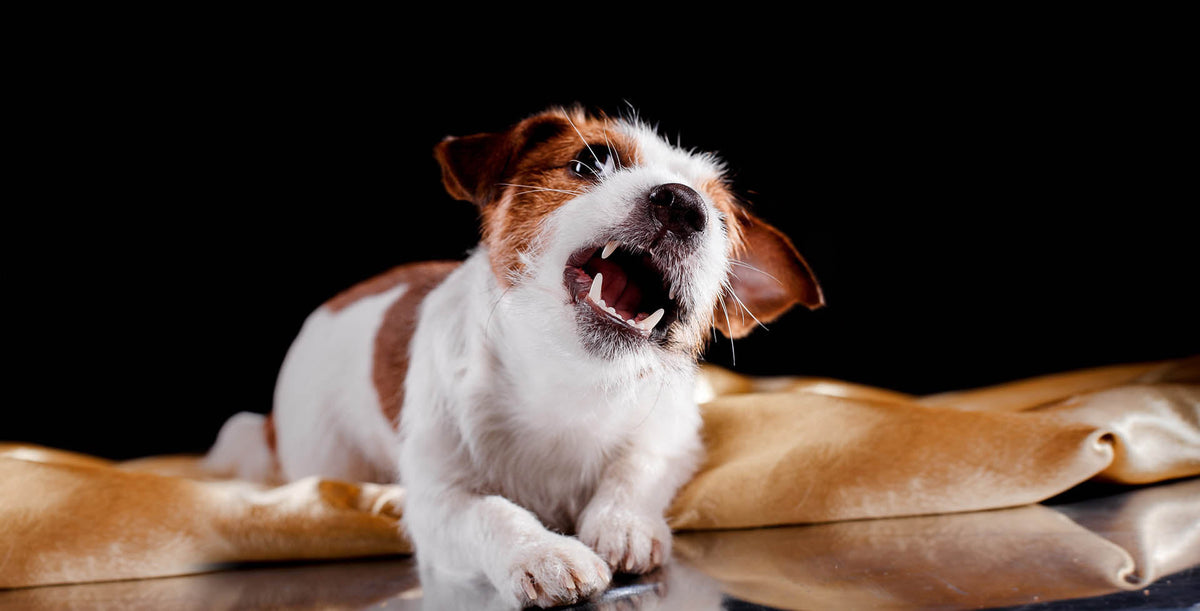
It doesn’t matter how cute a dog is; growling and sharp teeth showing are scary. Growls, however, aren’t just a sign of danger or fear and aren’t always bad. What’s your dog trying to tell you?
Dogster.com suggests our pups communicate fear, insecurity, guarding behavior, offensive aggression, and play through dog growling. The article also says these growls have their distinctive tone and pitch, which I find so interesting. Next time your dog growls, pay attention to what it sounds like.
If your dog’s growling, it’s important to find out why. My dog growls at the TV if she sees a dog, which is very funny to us. She also growls when she’s resting and someone tries to play or bother her. Makes sense, right? If someone kept poking you when you were trying to sleep, wouldn’t you snap too?
People tend to think a growling dog is just mean and nasty. Not the case. Dogs get frightened, just like people. They may feel uncomfortable around new people and need personal space, just like people. Growling is a dog’s way of communicating with other dogs and humans.
If they don’t listen, what happens next is anyone’s guess. While my dog has never bitten anybody after a growl, many dogs are telling you a bite’s on its way. Suppress it and you’re asking for trouble. If a toddler approaches a dog and it growls, it’s communicating a warning to back away. Whether the child has taken a tasty bone, a favorite stuffed animal, or has pulled on a tail, the dog could have a negative reaction.
All dogs have different personalities and respond differently to scenarios. PetMD says one reason dogs growl is because something unfamiliar is taking place or something or someone unfamiliar has entered their space. This may explain why your friendly dog starts growling when the plumber comes to visit.
While that garbage bag is anything but threatening, it may look like a big scary monster to your dog. When you help your dog realize the bag isn’t a hostile robber and it calms down, reward that behavior.
However silly the reason for the growl, in your dog’s mind, that reason is justifiable. It’s hard not to laugh but these situations are great training opportunities.
Not all growling is a sign of something negative. My two dogs are always wrestling and playing together, and along with that comes many different types of growls and other sounds. They’re having fun and enjoying the activity they’re participating in.
Linda Case, owner of AutumnGold Consulting and Dog Training Center in Illinois says that “Play growling is a pretty harmless expression of feelings, and context and body language make it pretty easy to identify play as the source of the growling,” Makes sense.
Now that you have further education about why your dog may be growling, what should you do about it?
It’s easy to want to say, “Stop it” when your dog growls, however it shouldn’t be discouraged. While the source doesn't always validate a growl, you want your dog to warn you if something doesn’t seem right. Without a growl, there’s no warning. Think about that toddler.
If you’re concerned about your dog being aggressive with you, the owner, you need to protect yourself and calm your dog down.
Wholedogjournal.com says to pay attention to the amount of time between the growl and the bite. If this is the first time this is occurring, you may not know the answer. Regardless, ensure you’re out of harm’s way.
You know your dog best and in time, will be able to decode that secret growl language. You’ll then understand what to do about it.
As with any type of training, positive reinforcement is vital and a way to reward good behavior instead of punishing for bad. If your dog’s showing you its teeth and growling at you, don’t run away as it could possibly become more aggressive.
Stay still and don’t move until your dog gives you signs it's relaxed and then praise it.
If you have visitors in the house, especially young children stopping by, let them know your dog isn’t good with strangers to avoid a lot of problems.
When you’re walking your dog and see another canine, let the owner know yours isn’t friendly. The last thing you want to deal with is a dog scuffle.
Aside from verbal communication, dogs also speak through body language. You guess it! Just like people.
Are your dog’s ears back because it’s anxious, or standing straight up because it’s trying to intimidate you? Do the ears look in a strange or different position than they normally are?
If you see a tucked tail, your dog is frightened. Next time you head to the vet or the groomer, pay attention to the tale. If your dog’s ready to fight and feels like the big man or lady on campus, the tail will most likely meet the dog’s back.
A dog’s stance can tell you a lot about what emotions are occurring and what’s about to happen next. Is the chest puffed out? Is your dog tense? Think about when your dog is in cuddle mode and not feeling in harm’s way. It may roll on its back and let you know it’s ready for a belly rub. In a bad situation, the body will look like the opposite.
This is an easy sign to look out for but it doesn’t always mean something bad’s about to occur. When a dog shows aggression, its pearly whites will send you a very clear message. Some dogs can be trained to smile but it’s doubtful you’ll confuse the two. One of my dogs shows her teeth when she sees the toothbrush. She also shows her teeth when playing with her canine sibling.
Growls can be intimidating and confusing at times, however, when you decipher what your dog’s trying to tell you, you can figure out what to do about it. If you think about how humans look and react to different emotions, it tends to make more sense. Speaking of growling, my belly is trying to tell me something.
Receive email updates on fun things from Felicitails that we think you’ll find interesting. From timely updates, to new products, exciting collaborations and services that you'll love.